
Plenary Speakers
-
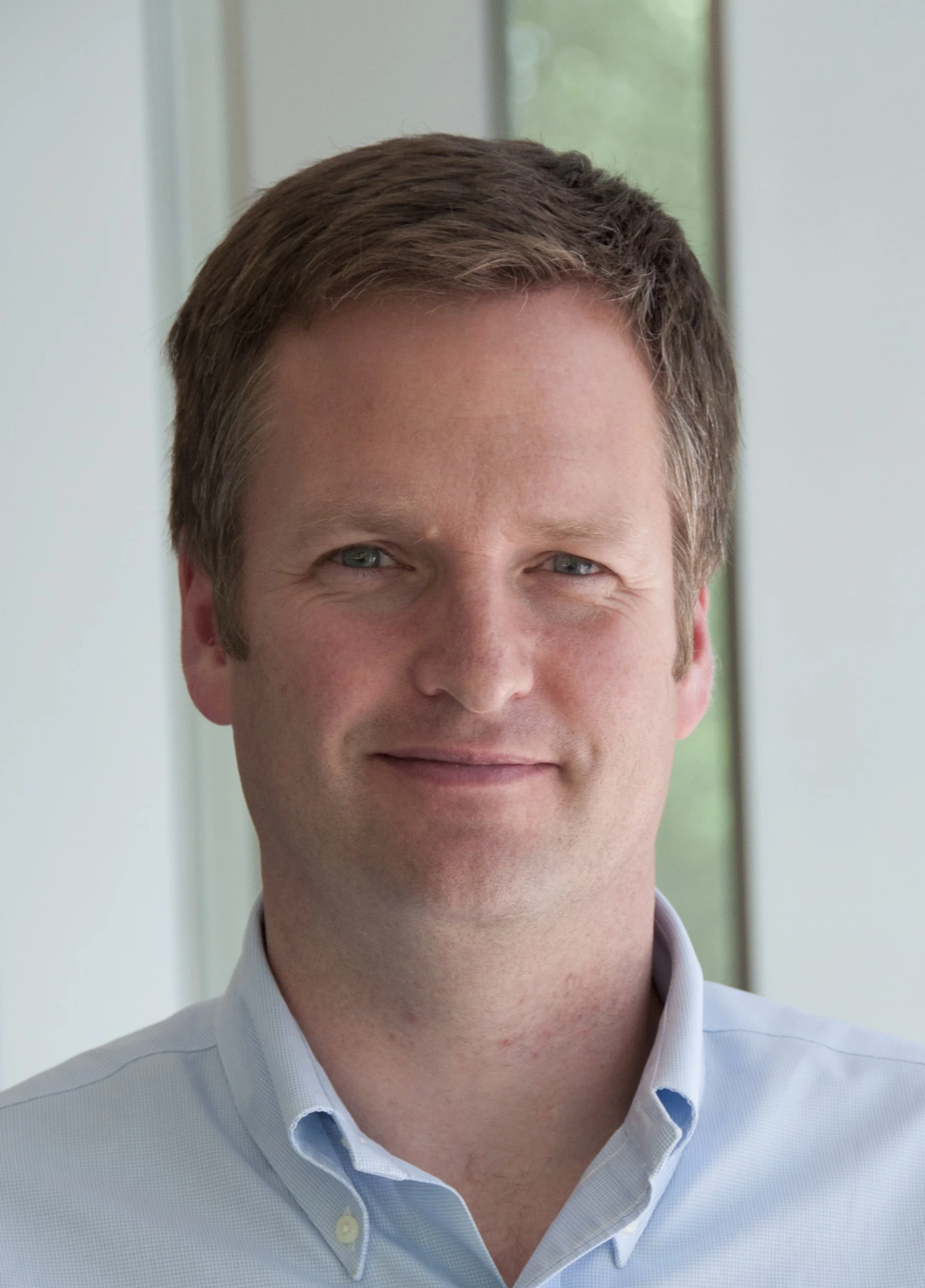
Clary B. Clish, Ph.D.
Senior Director, Metabolomics Platform
Broad Institute of MIT and HarvardPlenary: Discovery and validation of metabolic signatures of health and disease in human cohorts using nontargeted LC-MS metabolomics
September 11, 8:30–9:15 am
-
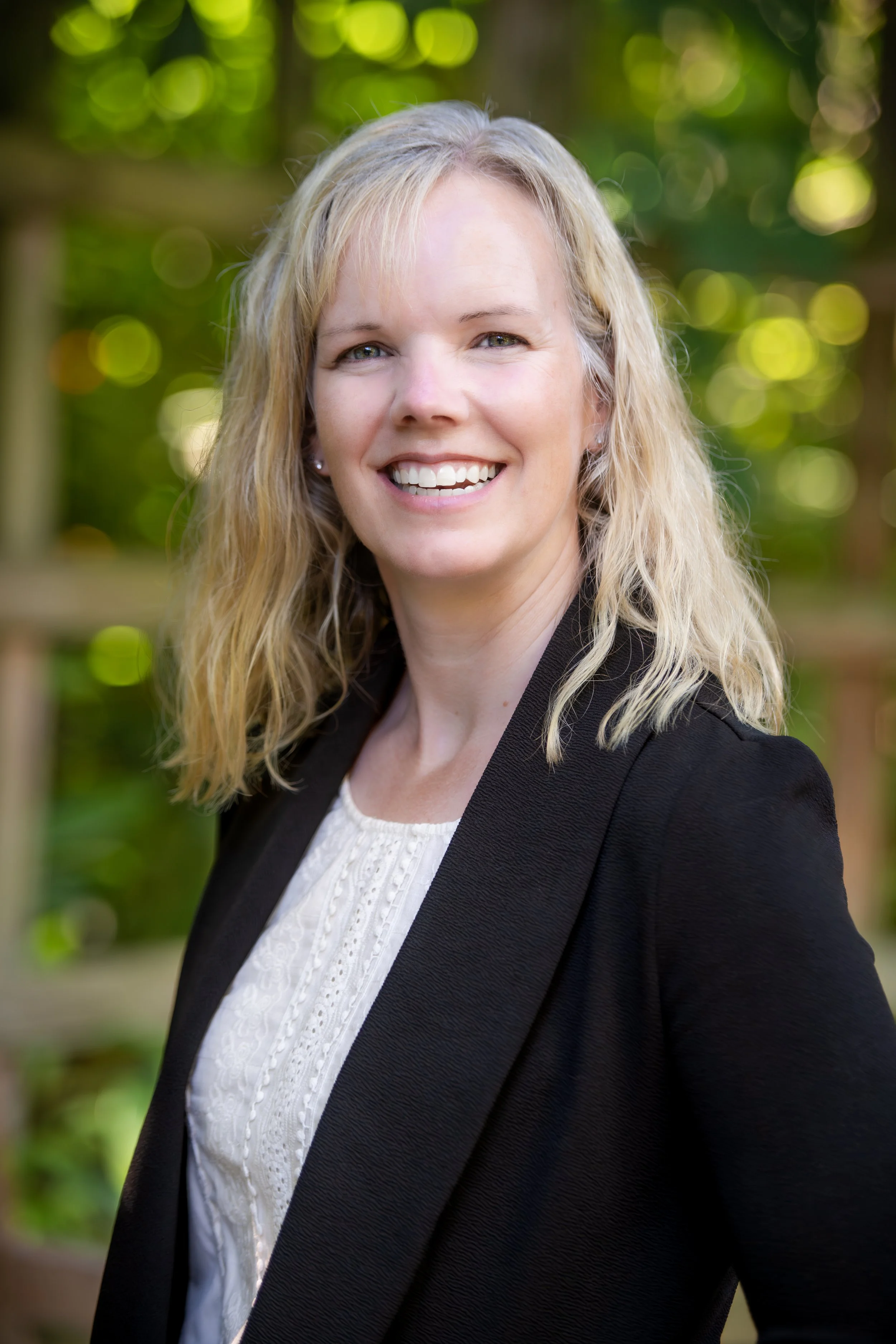
Erin S. Baker, Ph.D.
Professor, Department of Chemistry
University of North Carolina at Chapel HillPlenary: Mass Spectrometry Meets Mother Nature: Decoding How the World Gets Under Our Skin
September 8, 2026 4:00–4:45pm
-
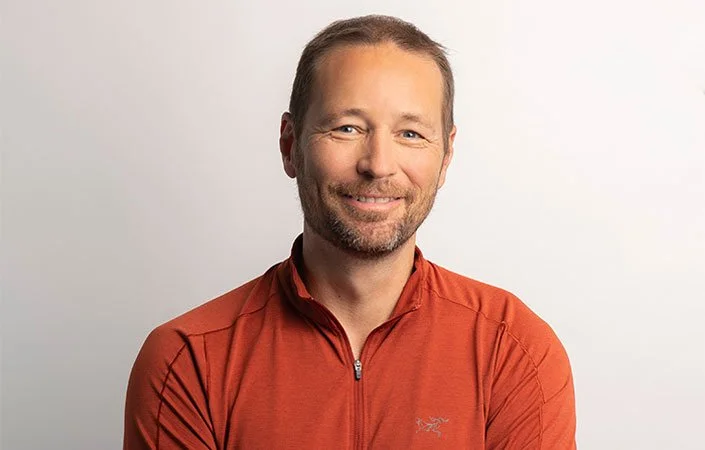
Pieter Dorrestein, Ph.D.
Professor, Skaggs School of Pharmacy
University of California San DiegoPlenary: Unlocking Microbiome, Drug, and Exposure Chemistry Through Public Data Reuse
September 9, 8:30–9:15 am
-
José L. Medina‑Franco, Ph.D., FRSC
Professor, DIFACQUIM Research Group
Department of Pharmacy, School of Chemistry, Universidad Nacional Autónoma de México (UNAM)Plenary: Exploring Chemical Space for Natural Products and Drug Discovery:
Cheminformatics and AI at ScaleSeptember 11, 4:00–4:45 pm
-
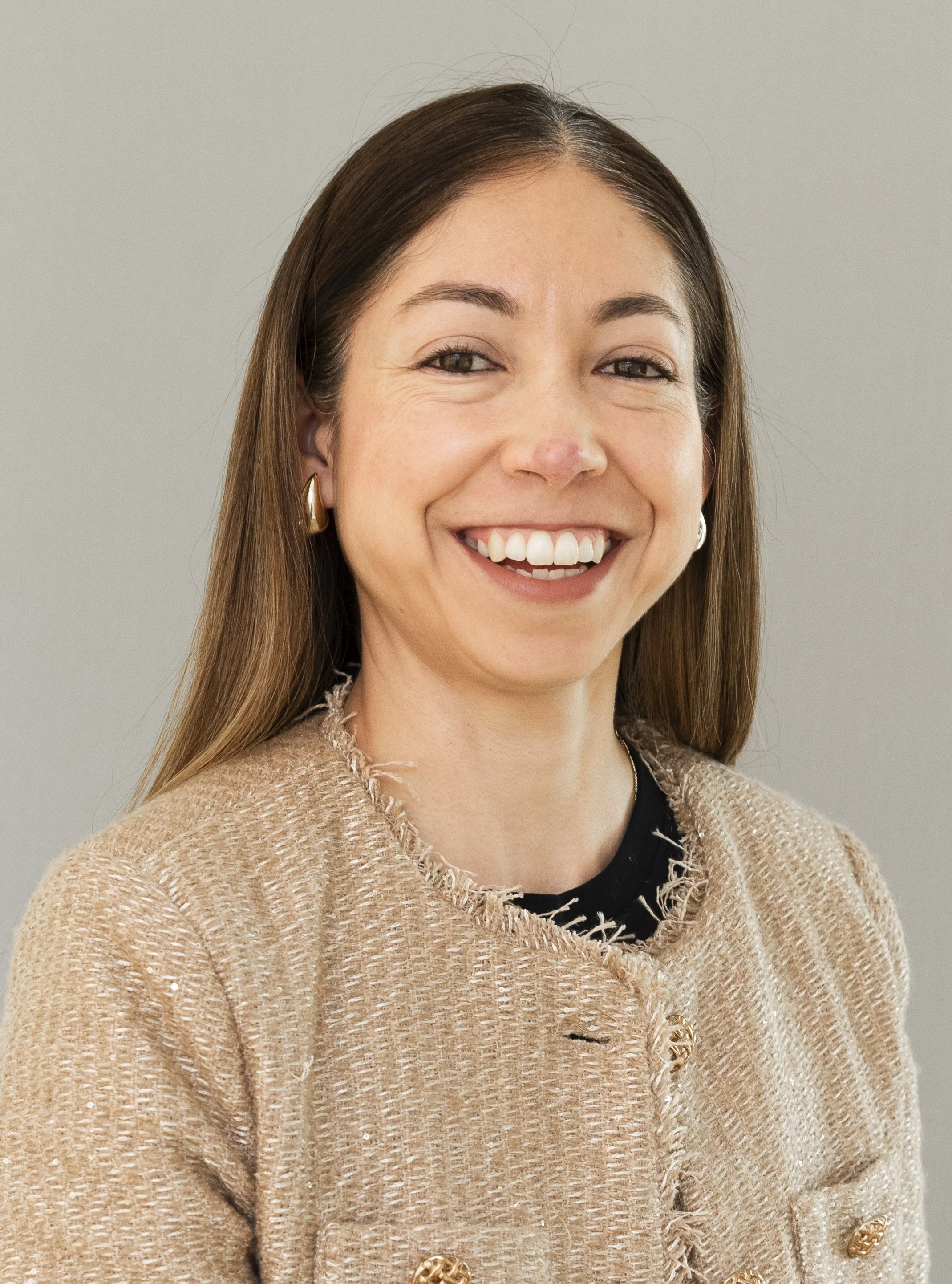
Ana Laura Isabel de la Garza Hernández, Ph.D.
Professor and Researcher, IOR
Integrative Biology Unit
Institute for Obesity Research
Tecnologico de Monterrey, Campus MonterreyPlenary: Lipidomics and Precision Nutrition: Bridging Metabolism
and the Gut MicrobiomeSeptember 10, 2026 8:30–9:15 am
Pieter Dorrestein, Ph.D.
Professor,
University of California San Diego
Skaggs School of Pharmacy and Pharmaceutical Sciences
Departments of Pharmacology and Pediatrics
Director, Collaborative Mass Spectrometry Innovation Center
Co-Director, Institute for Metabolomics Medicine
Unlocking Microbiome, Drug, and Exposure Chemistry Through Public Data Reuse
Dr. Pieter Dorrestein received his B.A. in Chemistry in 1999 from the Northern Arizona University, followed by a Ph.D. in Chemical Biology in 2004 from Cornell University.
He was awarded a NRSA fellowship in Bioanalytical Chemistry in 2006 at the. University of Illinois. Other awards and honors include the ACACC travel award by Lilly in Analytical Chemistry; V-foundation Scholar; Featured in the journal Scientist as a “Scientist to Watch”; Beckman Young Investigator; Pharmaceutical Research and Manufacturers of America Research Award, Hearst foundation award, Exceptional, Unconventional Research Enabling Knowledge Acceleration award NIH, Matt Suffness award ASP society, Scientific advisory for Analytical Chemistry and Natural Products Reports, Head of the biochemistry division, Abel award ASPET society, Remar-Luest Lectureship, Max Plank, Society for Industrial Microbiology and biotechnology award and Keynote, Karcher-Barton Lectureship, University of Oklahoma, NAU Dwight-Patternson Alumni of the year award, Blavatnik finalist, Editor ASM mSystems.
Erin S. Baker, Ph.D.
Professor at the University of North Carolina, Chapel Hill, NC
Mass Spectrometry Meets Mother Nature:
Decoding How the World Gets Under Our Skin
Dr. Erin S. Baker is a Professor at the University of North Carolina at Chapel Hill. To date, she has published over 200 peer-reviewed papers utilizing different analytical chemistry techniques to study both environmental and biological systems. She is currently serving as the Vice President of Education for the International Lipidomics Society, a mentor for Females in Mass Spectrometry, and an Associate Editor for the Journal of the American Society for Mass Spectrometry. She has received seven US patents, two R&D 100 Awards, been named to the Analytical Scientist Top 100 Power Lists and was a recipient of the 2016 ACS Rising Star Award for Top Midcareer Women Chemists, 2022 ASMS Biemann Medal, and 2022 IMSF Curt Brunnée Award. Currently, her research group utilizes advanced separations and novel software capabilities to examine how chemical exposure affects human health.
José Luis Medina-Franco, Ph.D., FRSC
Research Professor
National Autonomous University of Mexico (UNAM)
Exploring Chemical Space for Natural Products and Drug Discovery: Cheminformatics and AI at Scale
Natural products (NPs) have long served as a rich source of bioactive molecules and privileged scaffolds for drug discovery, yet their systematic exploration remains challenging due to their structural complexity and diversity. In this plenary lecture, I will discuss how modern cheminformatics and artificial intelligence (AI) are transforming the exploration of NP chemical space at unprecedented scale. I will highlight recent efforts to curate, standardize, and analyze large NP collections, with particular emphasis on the Latin American Natural Product Database (LANaPDB), an open-access resource that integrates nearly 15,000 nonredundant compounds from multiple countries across the region. Through comprehensive chemoinformatic characterization—encompassing structural diversity, molecular complexity, synthetic feasibility, biological annotations, and ADMET-related properties—I will illustrate how NP libraries compare with approved drugs and global NP repositories. I will further discuss how machine learning and pattern-recognition approaches enable the identification of bioactive motifs, guide NP-inspired design, and support target selectivity. Overall, this lecture will showcase how scalable AI-driven workflows, combined with curated chemical knowledge, are redefining the role of natural products in contemporary computer-aided drug discovery.
Dr. José Luis Medina-Franco is a Full-Time Research Professor at the National Autonomous University of Mexico (UNAM), where he leads the DIFACQUIM research group. He earned his BSc, MSc, and PhD in Chemistry from UNAM, followed by postdoctoral training at the University of Arizona with Prof. Gerald Maggiora and a research appointment at the Torrey Pines Institute for Molecular Studies. He also conducted research at the Mayo Clinic before returning to UNAM in 2014.
He is a Level III member of Mexico’s National Researcher System and a Fellow of the Royal Society of Chemistry (UK). Dr. Medina-Franco has been an invited professor in Brazil, Canada, Colombia, Germany, Japan, and France.
His research focuses on chemoinformatics, computer-aided drug design, chemical space analysis, and AI-driven molecular discovery. He has published over 340 peer-reviewed articles, 25 book chapters, edited four books, and holds one international patent. He serves as Associate Editor of the Journal of Computer-Aided Molecular Design and on several international editorial boards.
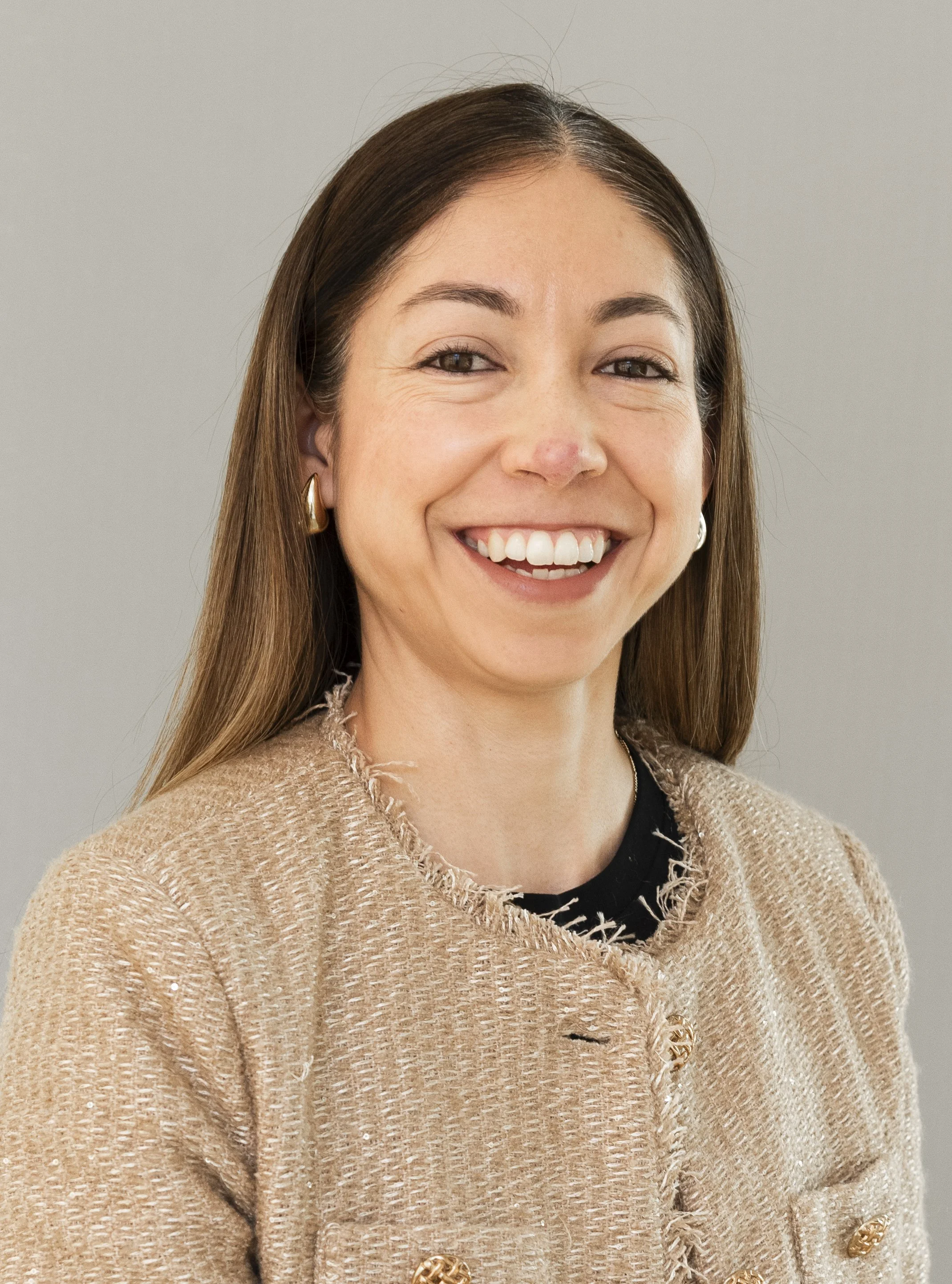
Ana Laura Isabel de la Garza Hernández, Ph.D.
Professor at the Institute for Obesity Research
Tecnologico de Monterrey
Lipidomics and Precision Nutrition: Bridging Metabolism and the Gut Microbiome
Dr. Ana Laura Isabel de la Garza Hernández is Professor and Researcher at the Institute for Obesity Research (IOR), Tecnologico de Monterrey, Mexico. Her work integrates genomics, metabolomics, and precision nutrition to elucidate the links between diet, gene expression, gut microbiota, and metabolic health.
She holds a BSc in Nutrition from the Autonomous University of Nuevo Leon (2005), a MSc in Nutrition and Metabolism (2010), and a PhD in Food Science, Physiology and Health from the University of Navarra, Spain (2014).
Dr. de la Garza has published in internationally indexed journals (>2000 citations; H-index 17) and is a Level II member of Mexico’s National System of Researchers. She has completed research stays in Europe, Latin America, and the United States, including at the Broad Institute of MIT and Harvard (2024–2025), and is a founding member of the Ibero-American Network of Nutriomics and Precision Nutrition.
Clary Clish , Ph.D.
Senior Director, Institute Scientist at the Broad Institute of MIT and Harvard University
Discovery and validation of metabolic signatures of health and disease in human cohorts using nontargeted LC-MS metabolomics
Dr. Clary Clish is the senior director of the Metabolomics Platform at the Broad Institute of MIT and Harvard, where he is also an institute scientist. Clish, who joined the Broad Institute in 2008, is an expert in the development and application of technologies for the systematic analysis of endogenous metabolites in biological specimens. His lab works in collaboration with groups, from both within the Broad Institute and the external research community, on projects that range in scope from metabolic phenotyping of model systems to large human cohort studies. Contributions from the platform have included the discovery of plasma metabolic signatures that indicate future risk of developing diabetes in the Framingham Heart Study Offspring cohort, 4-12 years before clinical diagnosis of type 2 diabetes, as well as the discovery of early indicators of pancreatic cancer in humans years before clinical diagnosis.
Prior to joining the Broad Institute, Clish held senior and executive management positions in the biotechnology industry from 2001-2008, including vice president of discovery at Gene Logic Inc. and director of metabolite biochemistry at Beyond Genomics Inc. From 1997-2001, Clish was a postdoctoral fellow and instructor in the laboratory of Dr. Charles Serhan at the Center for Experimental Therapeutics and Reperfusion Injury at Brigham & Women’s Hospital. In the Serhan laboratory, his work focused on understanding the roles of lipid mediators in acute inflammation and its resolution. Along with Serhan, Clish discovered and characterized a new class of anti-inflammatory lipid mediators that have since been named “resolvins.”
Clish received his B.Sc. from McGill University in chemistry and biological sciences and his Ph.D. from Portland State University.